- Published on
ICE Mobile Temporary Flight Restrictions (TFRs) for Drones: What Operators Need to Know
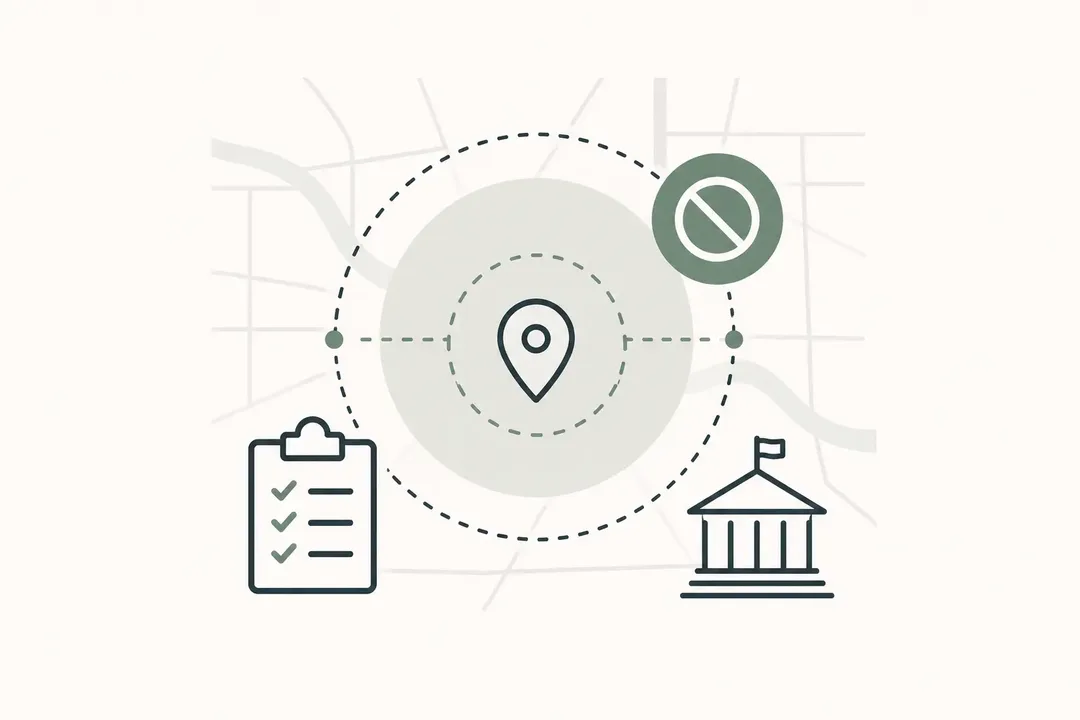
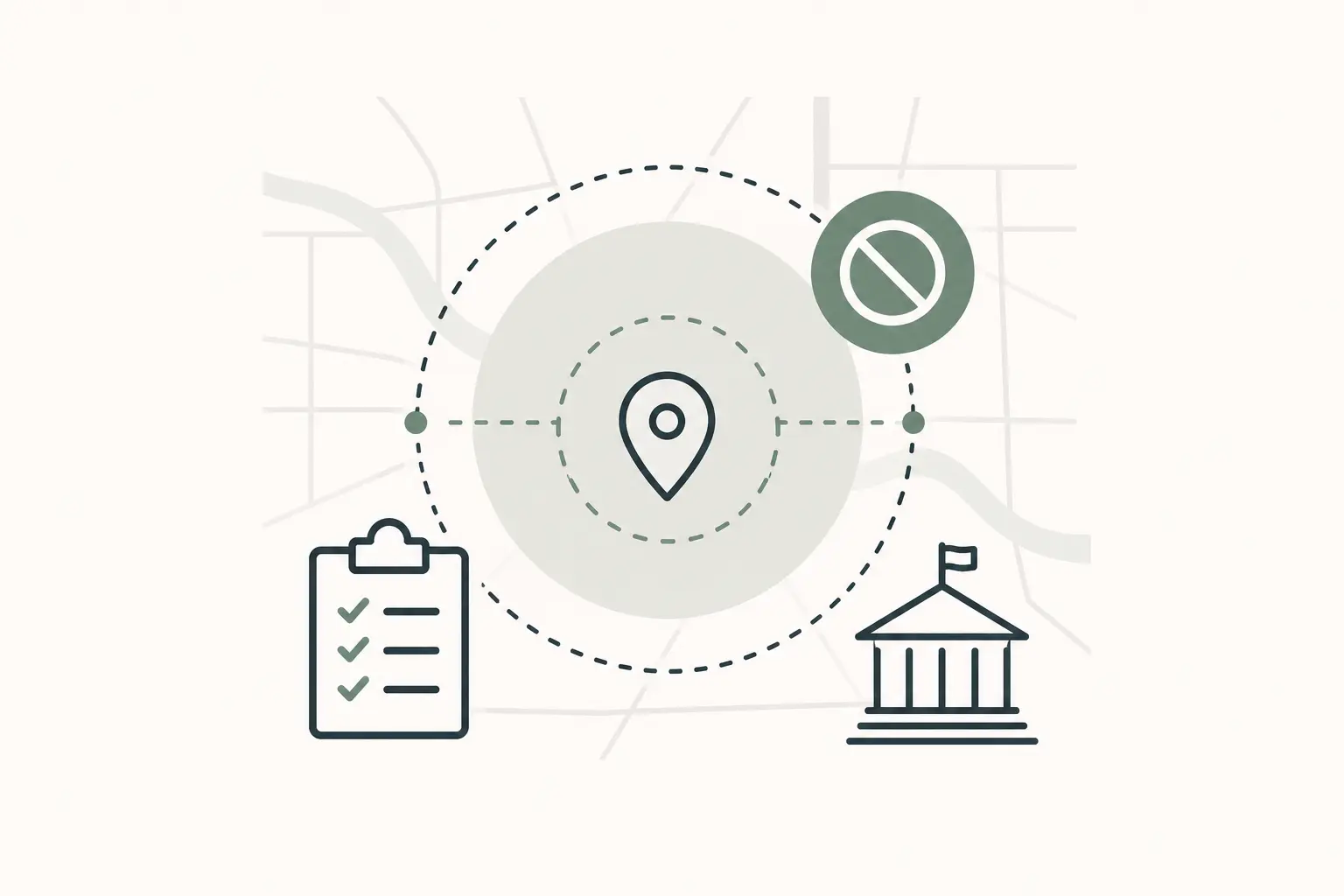
Federal airspace restrictions are evolving rapidly. For drone pilots, one of the most critical areas to monitor is the implementation of mobile Temporary Flight Restrictions (TFRs) during ICE operations. If you operate commercially under FAA Part 107—especially within the construction, infrastructure, or live event sectors—understanding these dynamic restrictions is essential for maintaining compliance and protecting your professional standing.
If you operate commercially under FAA Part 107 — especially in construction, infrastructure, news, or event coverage — understanding how these mobile TFRs work is critical to staying compliant and protecting your license.
Understanding Mobile TFRs
A Temporary Flight Restriction (TFR) is an FAA-issued airspace restriction that temporarily limits or prohibits aircraft operations in a defined area for safety or security reasons.
A mobile TFR is different from a standard, fixed-location TFR. Instead of covering a single static location, a mobile TFR can:
- Move with a convoy or active federal operation
- Be activated with little notice
- Cover a dynamic operational zone
- Apply to all aircraft — including drones
During certain ICE (U.S. Immigration and Customs Enforcement) operations, especially those involving coordinated enforcement activity or security concerns, mobile TFRs may be issued to restrict drone flights in the affected area.
These restrictions are federally enforced and carry significant penalties if violated.
Why TFRs Are Implemented
There are several operational reasons why a TFR may be implemented:
1. Officer & Public Safety
Active enforcement operations can involve sensitive movements, tactical positioning, or public interaction. Unauthorized drones can:
- Interfere with aircraft support
- Create collision risks
- Disrupt coordinated ground operations
2. Airspace Deconfliction
Law enforcement operations may involve:
- Helicopters
- Fixed-wing aircraft
- Surveillance aircraft
- Tactical aviation units
Uncoordinated drone activity creates mid-air risk, especially in low-altitude operational zones (LAANC).
3. Operational Security
Live drone footage during federal operations can:
- Compromise operational strategy
- Reveal positioning
- Escalate volatile situations
For these reasons, temporary flight restrictions can be activated quickly.
How Mobile TFRs Function
While every TFR is unique, here’s how they typically function:
- Issued by the FAA (often at the request of federal authorities)
- Defined by radius (e.g., 1–3 nautical miles)
- Defined by altitude ceiling (often surface to a specified height)
- Time-bound (hours to days)
- Published through official FAA NOTAM systems
Because mobile TFRs may move or be activated with limited notice, they can be easy to miss if you are not actively checking official airspace sources before flight.
Operational Compliance Standards
If you are operating commercially — especially in urban areas — compliance is non-negotiable.
1. Always Check NOTAMs Before Flight
The FAA publishes and updates a database of the following information:
- TFR listings
- NOTAM updates
- LAANC availability
Never rely solely on third-party apps without confirming FAA sources.
2. Monitor High-Profile Operations in Your Area
High-profile enforcement activity often results in rapid airspace changes. If you see:
- Federal vehicles mobilizing
- Aviation assets circling
- News alerts about federal operations
Pause and confirm airspace status before launch.
3. Understand the Consequences
FAA enforcement action
- The FAA can investigate and take formal enforcement action (even if it was “just a drone flight”).
- Certificate suspension or revocation
Civil penalties (fines)
- Up to $1,875 per violation for individuals/small businesses in many FAA civil-penalty cases.
- Up to $17,062 per violation for individuals/small businesses in certain aviation-law categories the FAA can charge under.
- Up to $75,000 per violation for non-small businesses / larger entities.
- If your flight interferes with wildfire, law enforcement, or emergency response, that can be up to $26,116 (civil penalty).
- Important: The total can grow fast if the FAA treats it as multiple violations (for example, more than one flight).
Possible federal charges (criminal penalties)
- If it’s handled as a criminal case (usually “knowingly/willfully” in sensitive airspace), penalties can include up to 1 year in federal prison.
- Criminal fines can be up to $100,000 for an individual (and up to $200,000 for an organization) under the federal fine statute.
- For unsafe drone operation that creates serious risk, penalties can be up to 1 year, and up to 10 years if serious bodily injury/death results.
Bottom line: A TFR violation can mean four- or five-figure fines, losing your flying privileges for weeks or months, and—if it’s serious enough—federal charges.
The Professional Standard for Commercial Operators
For professional operators serving construction sites, infrastructure inspections, and media production, operational discipline is the core requirement of the job. At Cascade Flight, we do not consider safety protocols a bonus; we consider them a baseline for every mission. Our pilots integrate risk assessments and real-time airspace verification into every workflow to ensure your project remains protected.
Ensuring Data Integrity and Site Safety
You should not have to gamble your project safety on whether an operator is compliant. The right partner clears the compliance hurdles, carries full commercial aviation liability insurance, and delivers the precise data your project demands.
Airspace is becoming more dynamic as drones become more common and federal operations become more visible.
For commercial operators, the takeaway is simple:
- Check airspace every time
- Assume nothing
- Treat federal operations as high-risk airspace
- Prioritize safety and compliance over convenience
Professional drone operations aren’t just about getting the shot — they’re about protecting airspace integrity and operating within federal law.
Partner with a Compliant Expert
Cascade Flight provides commercial drone services across Oregon and the Pacific Northwest, bringing the licensing, insurance, and operational discipline your site requires.
To ensure your next project stays safe and compliant, request a consultation or explore our Construction Services.